
Сондай-ақ қараңыз


 18.09.2026 12:42 PM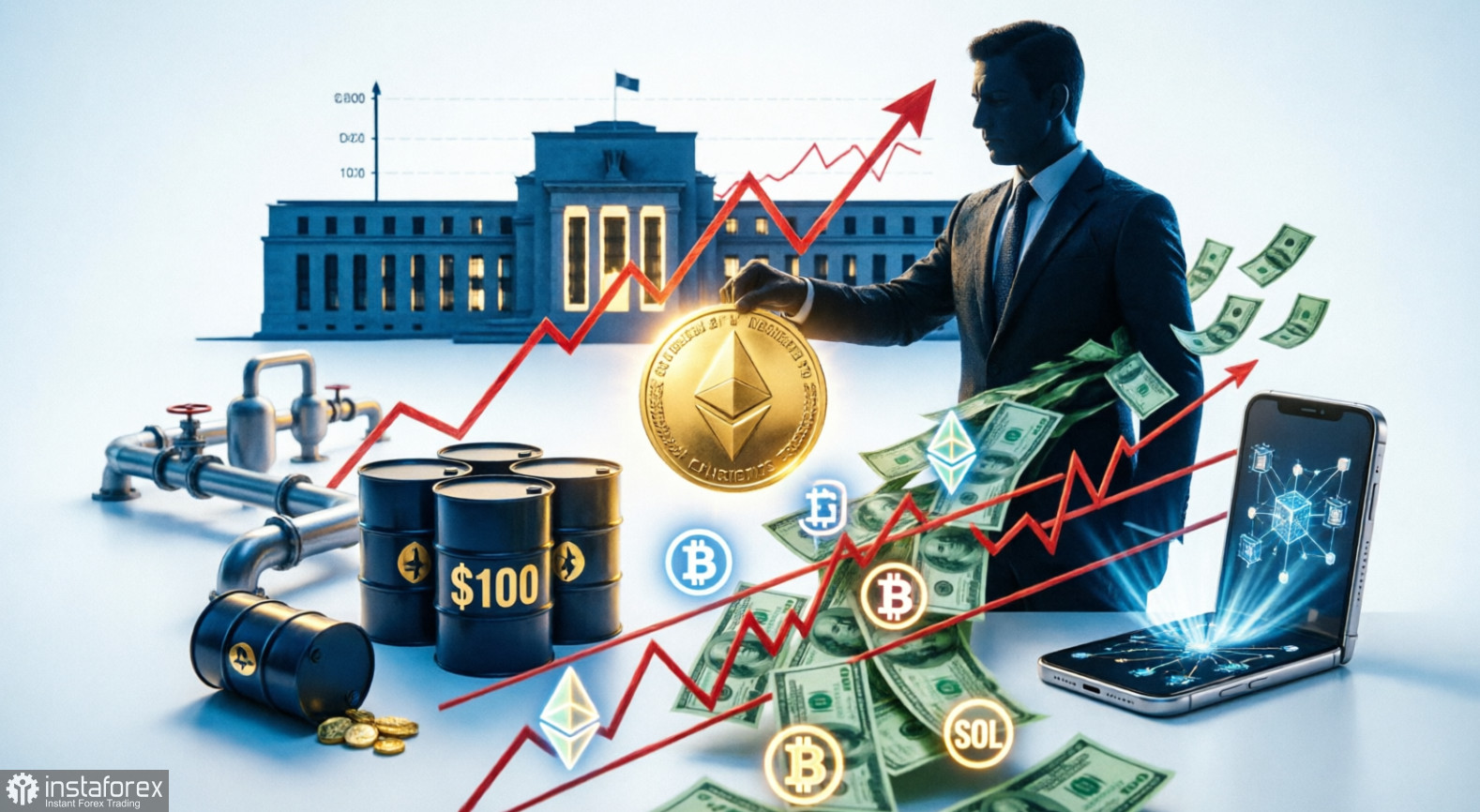
Cryptocurrencies, against common sense, responded to monetary tightening with historic rallies, and institutional heavyweights like BlackRock are using the macro storm to buy digital assets for billions of dollars, effectively turning them into a new haven.
Meanwhile, the tech Olympus exploded with the announcement of the foldable iPhone Duo, dividing the world between those willing to pay $2,000 for innovation and skeptics who call that price absurd.
In this review, we break down the anatomy of the main market paradoxes: from the crypto uprising against Wall Street and Europe's energy trap to Apple's triumph. Read about how geopolitical shocks and technological breakthroughs coexist, and where the main opportunities for profit lie in an era of total uncertainty.
One would expect a familiar scenario: the Federal Reserve raises rates and risky assets—especially cryptocurrencies—should sink in response. But not this week. For the first time in more than three years, the Fed tightened policy, yet instead of panic, the crypto market produced a stunning rally.
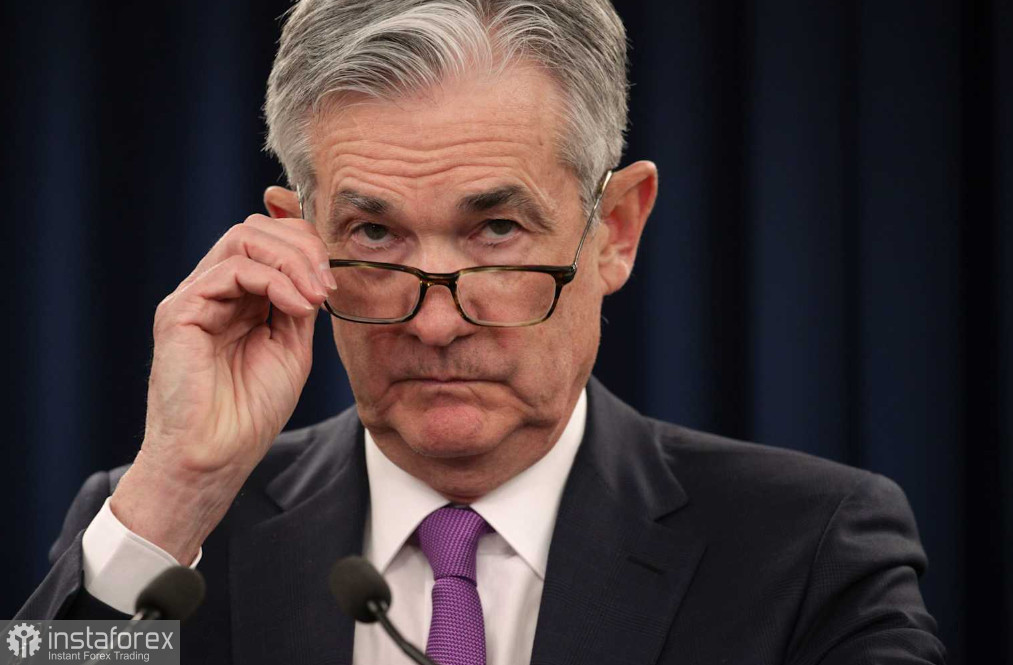
On Wednesday, the Federal Open Market Committee (FOMC) voted unanimously, 12–0, to raise the key rate by 25 basis points to a target range of 3.75%–4.00%. Fed Chair Kevin Warsh did not soften his rhetoric, telling reporters that inflation remains too high and has persisted for too long.
But seasoned traders watched the numbers rather than the words. Calm was provided by the committee's dot plot: the median rate is expected to be 4.1% by the end of both 2026 and 2027. What does that mean in practice? Only one more 25 bp hike is expected in the future and effectively the end of a prolonged tightening cycle.
Because the market had priced this step into the CME FedWatch tool with better than 90% probability, the decision removed a layer of uncertainty rather than delivering a shock.
The result was immediate. Bitcoin comfortably returned to about $76,600 (up roughly 0.9% on the day), Ethereum crossed $2,400, and Solana jumped 2%.
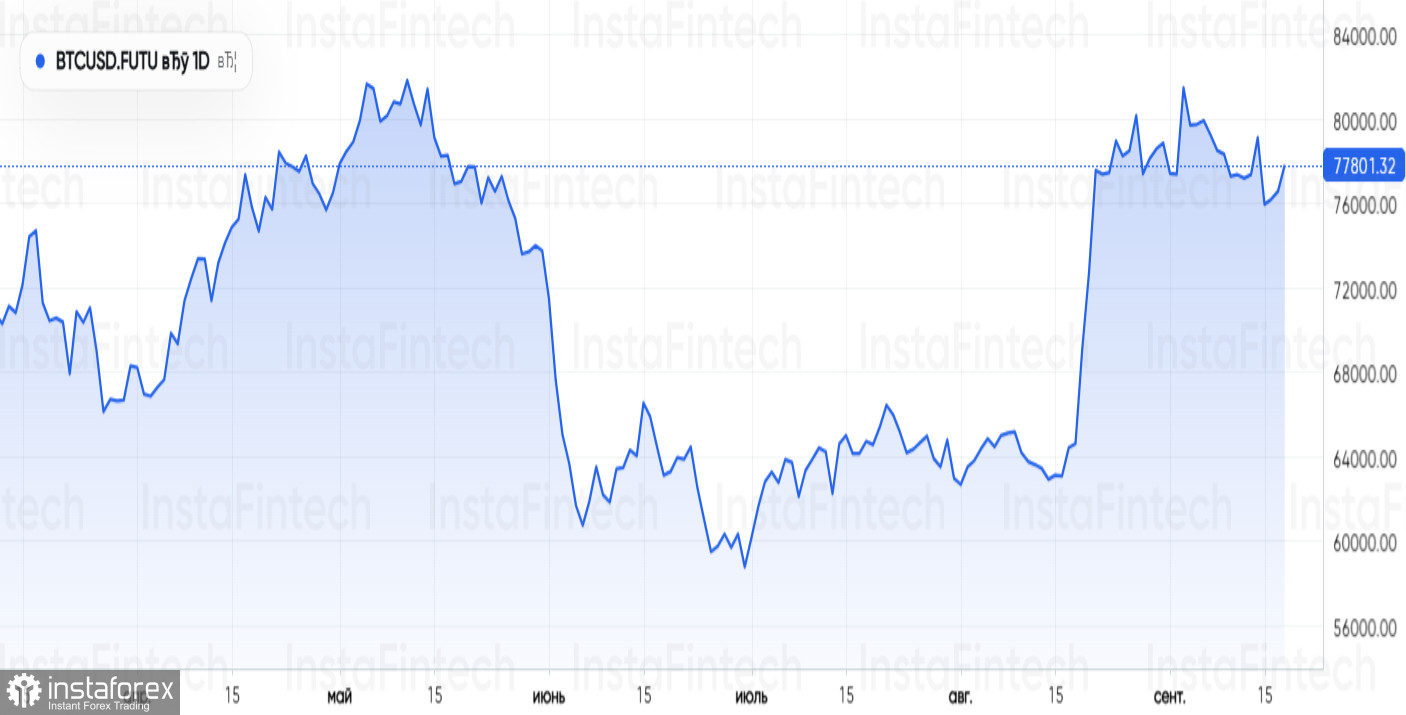
But the real hero of the week was Zcash (ZEC). The privacy-focused token shot up more than 16%, breaking $1,360 and setting a new all-time high. This surge capped a year-long rally that lifted the asset from below $50 to stratospheric levels. Analysts link the explosive move not only to record trading volumes but also to growing excitement around a potential spot ETF filing by Grayscale.
To grasp the scale of this rebound, recall how the week began. On Tuesday, the crypto community suffered a painful setback: the US Senate failed to pass major industry regulation—the Clarity Act. The bill fell just 10 votes short of the 60 needed to overcome procedural hurdles. The final tally was 50 to 49, with four Republicans joining Democrats in opposition. The New York Times called it a "painful defeat," burying hopes for passage before the November midterms.
Bloomberg described the week's start as a "double blow" to the industry: legislative failure amid waning retail interest and liquidity shortages. The market ought to have collapsed. But the panic proved illusory. Once the Fed announced its decision without "black swans" or surprises, a classic mechanism kicked in: short-covering and the return of sidelined capital triggered a powerful recovery.
High volatility and such macroeconomic reversals are prime opportunities for active and profitable trading. All instruments mentioned in this article, including BTC, ETH, and SOL, are available for trading on the InstaTrade platform. To not miss opportunities in a changing market, open a trading account on the company's website and download the InstaTrade mobile app.
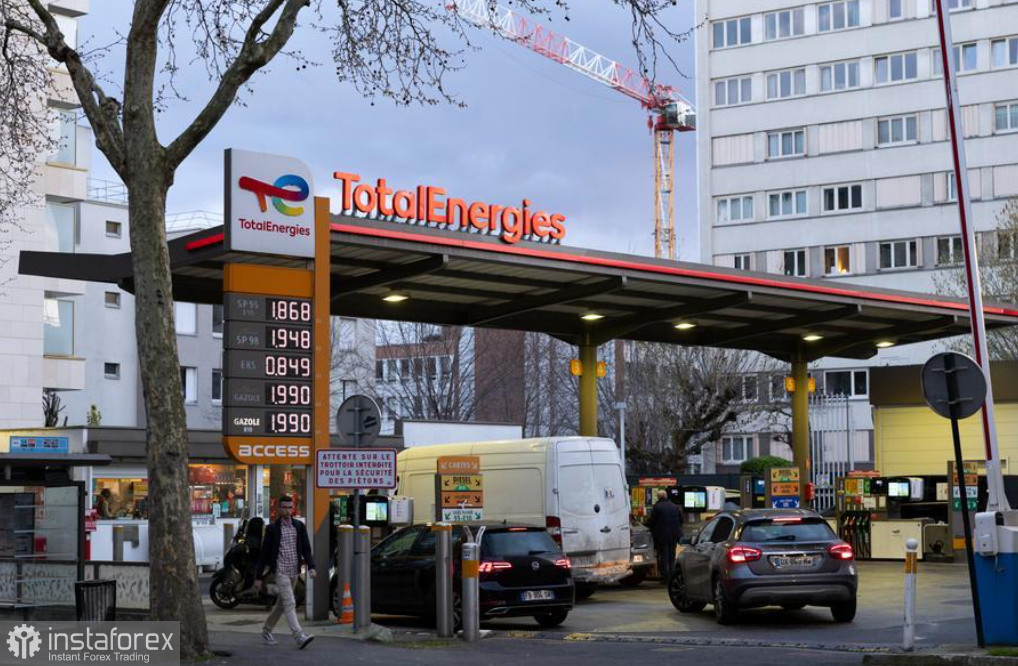
While the world marvels at record profits of IT giants and an everywhere AI boom, the European economy is quietly suffocating. The specter of stagflation — feared after the 2022 shock — has reappeared on the Old Continent. The reason is simple: a rapid surge in energy prices that is driving inflation well beyond levels comfortable for policymakers.
Eurostat's numbers are alarming: year-on-year inflation in the euro area jumped to 3.3% in August (from 2.9% in July), the highest since September 2024. Energy was the main driver: energy prices alone rose 2.9% month-on-month.
The European Central Bank's response was swift. On September 10 the regulator, reluctantly, raised three key interest rates by 25 basis points, lifting the deposit rate to 2.5%. Tightening monetary policy amid clear signs of slowing growth is a choice between bad options.
What lies behind these scary figures? Conflict with Iran and an effective blockade of the Strait of Hormuz. Oil futures are again testing the psychological $100-per-barrel mark — about 50% above pre-crisis levels. European natural gas has returned to scary highs not seen since 2022, and diesel prices are at record levels.
Derivatives markets and forecasts do not expect quick relief. According to Polymarket, users assign only an 18% chance that the Strait of Hormuz will be reopened by December.
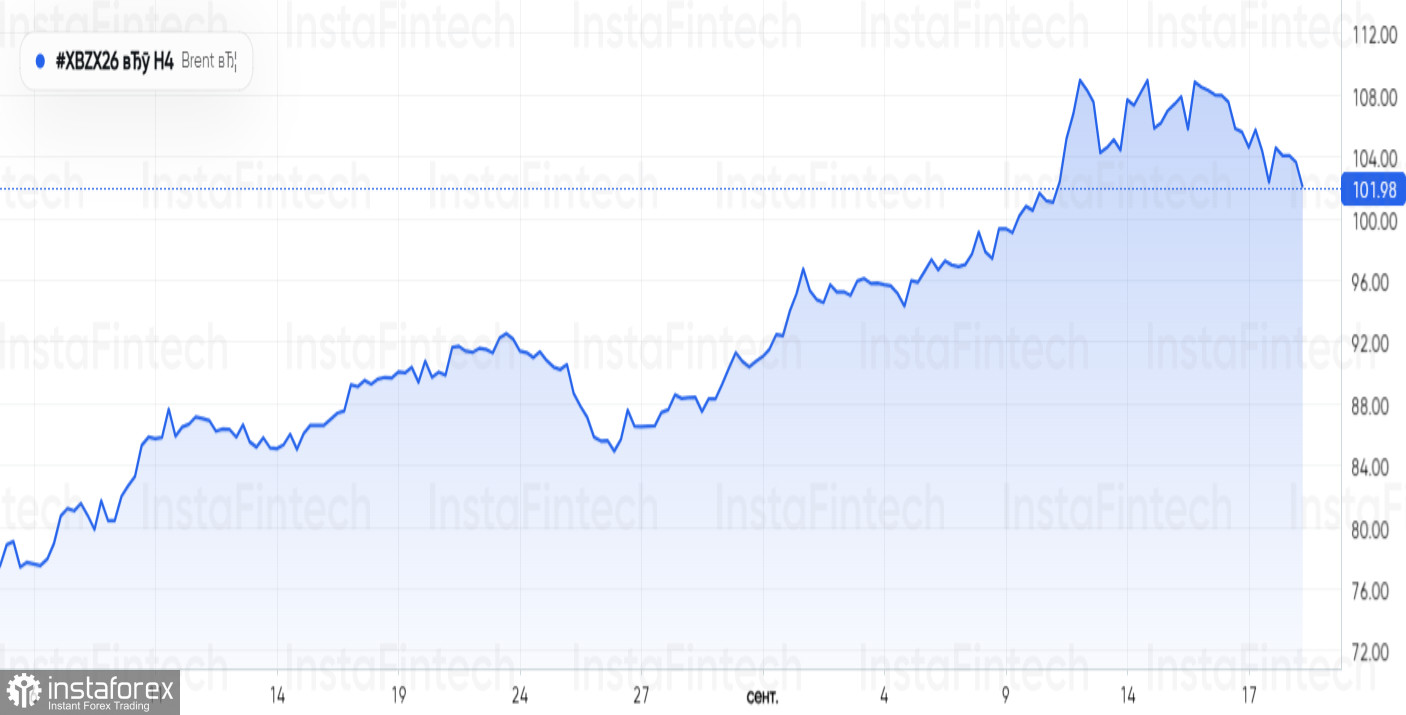
ECB staff forecasts — which assume inflation of 3.0% in 2026 and 2.5% in 2027 — look plainly timid to markets. Swaps price euro-area inflation closer to 3.5% next year. Investors are preparing for the ECB to add almost another full percentage point to rates over the coming year. Across the Atlantic, the Fed — having just hiked by 25 bps — also appears poised to deliver at least two more tightenings.
The biggest victims of this storm will be ordinary people and businesses. European gas storage is entering autumn only 67% full — the lowest level on record since monitoring began in 2011. Wall Street has already punished the consumer sector: U.S. consumer stocks are down about 6% year-to-date, while their European peers have plunged some 17%.
In Estonia, energy firms are sounding the alarm ahead of winter. Tiit Hubeygi, head of energy trading at Enefit, notes that variable operating costs at gas-fired power plants have nearly doubled year-on-year — from €100 to €180 per MWh. Scandinavian hydro reservoirs, hit by a cold winter and a dry summer, have been drained to a 30-year low, cutting the Baltics off from cheap imported electricity.
Is there light at the end of the tunnel? For now, the light is provided by artificial intelligence. S&P 500 company earnings jumped 53% year-on-year in Q2, and PMI indices show solid expansion in the US and Europe in July and August. But the Bank of England, having kept rates unchanged on Thursday, is already sounding the alarm: the BoE expects UK inflation to exceed 4% by early 2027.
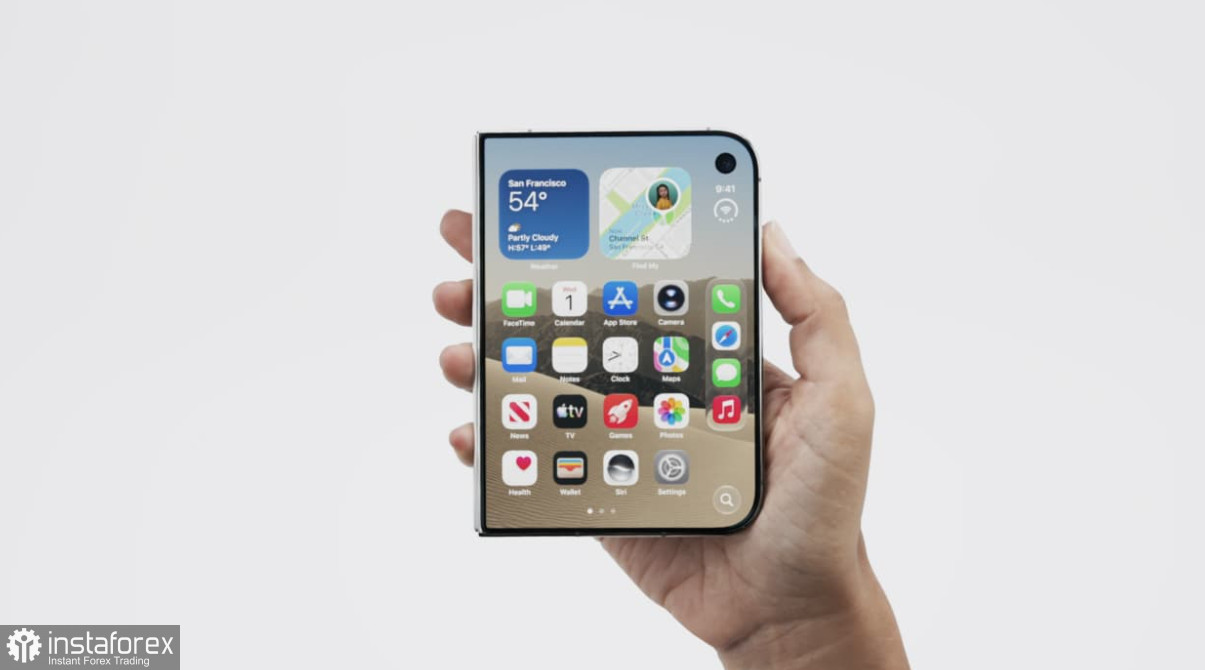
Apple has finally revealed its foldable smartphone. The iPhone Duo immediately split opinion: some praise the design, others criticize the price. The new model starts at $1,999 (and the top configuration reaches $3,199) and has already become the gadget of the season. Preorders open October 16, with shipments starting on the 23rd.
Cupertino's engineers delivered an interesting "transformer." Opened, the device offers a 7.6-inch display (almost an iPad Mini at 8.3 inches), while folded it presents a 5.4-inch external screen.
Remember the compact iPhone 12 Mini? In folded form, the Duo is its exact twin. CNET's Patrick Holland already proclaimed: "The perfect smartphone size is 5.4 inches, and no one will convince me otherwise!"
His colleague at AppleInsider echoes this, calling the Duo a "lifeline" for fans of compact devices (noting many of them are women who prefer ergonomics over massive screens). Holland even urged Apple to sell "half an iPhone Duo for half the price."
Despite some positive commentary, broader consumer reaction is less flattering. Even devoted enthusiasts admit they're reluctant to pay two thousand dollars for something that's half a Mini and half an iPad. As one AppleInsider author conceded, however much he wants the device, he won't spend that sum.
Android users are smirking. According to the Wall Street Journal, long-time Samsung Galaxy Fold owners are unimpressed by Apple's entry. For them, Cupertino did not invent a category but belatedly copied one the Koreans have been developing since 2019. What truly new has Apple introduced? There are no obvious revolutions in the Duo.
Technical analysts also found quibbles. Under the hood, the Duo has 12 GB of RAM — a figure Apple traditionally downplays in brochures. The Duo also lost the variable-aperture camera featured on the current iPhone 18 Pro.
ZDNet's Jason Perlow sees this as intentional — Apple's "selective positioning." Why burden users with dry specs when you can sell them 3,000 nits of brightness and cinematic shooting features? Marketing and emotion, once again, trump raw numbers.
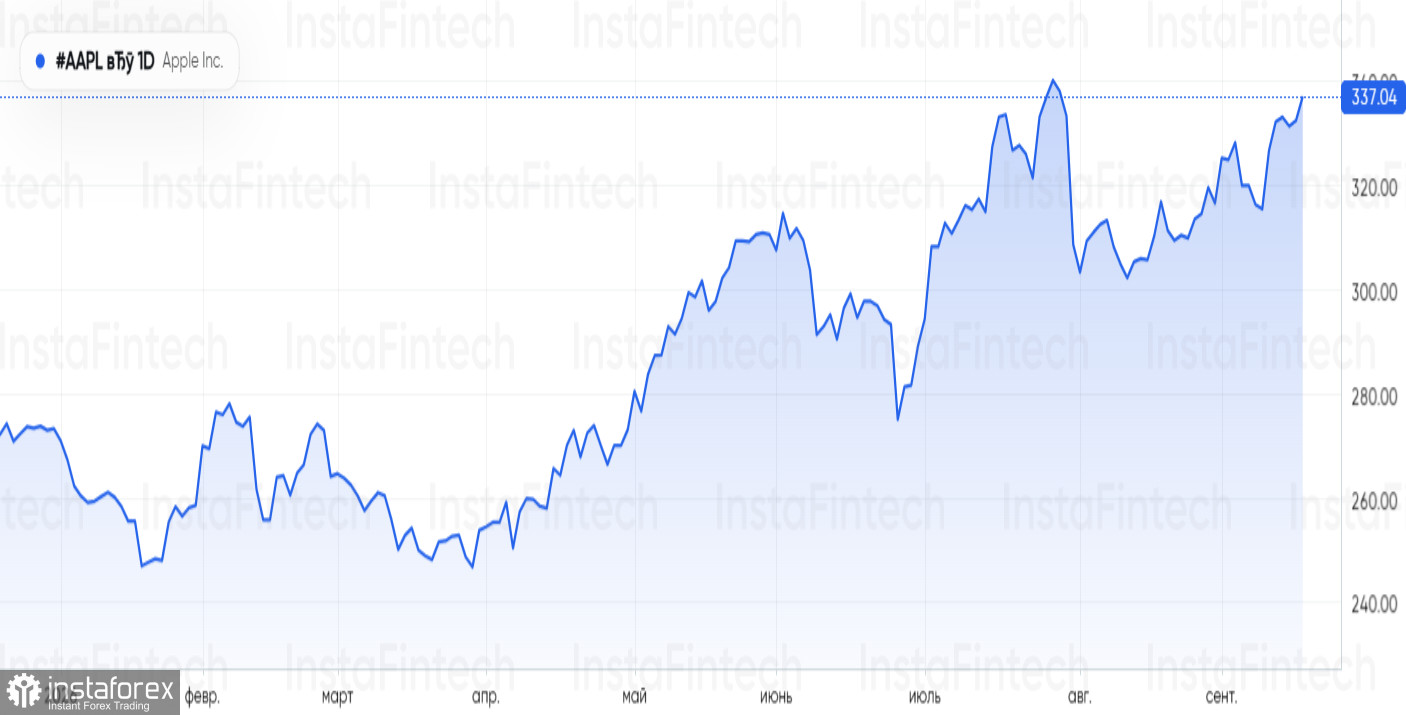
Launching such an ambitious and costly product as the iPhone Duo is a powerful market driver. The success or failure of this foldable flagship will directly affect stock prices and create trading opportunities from volatility.
While traditional equity markets shiver from Fed hawkishness, the world's largest asset manager, BlackRock, plays by its own rules. Blockchain analysts at Arkham Intelligence report that in just 20 days the firm accumulated roughly $1.5 billion worth of Ethereum. It did so amid the first rate hike in three years — a move that challenges conventional economic wisdom.
Most of these purchases (about $1.27 billion) went into the classic spot ETF, iShares Ethereum Trust (ETHA). But the real sensation came from the new iShares Staked Ethereum Trust ETF (ETHB), which lets investors earn additional yield from staking. About $296.5 million flowed into ETHB over the same period.
Notably, ETHB did not record a single day of net outflows during that time, underscoring that institutions are not just allocating capital but making a deliberate bet on Ether's yield. As of September 11, assets in ETHA exceeded $8.96 billion, while ETHB comfortably cleared $1.05 billion.
Bitcoin hasn't been left out. According to alternative data compiled by Finbold from SoSoValue analytics, BlackRock's total net inflows into its crypto suite over the same 20 days amounted to about $844 million, of which $434 million were net inflows into Bitcoin via iShares Bitcoin Trust (IBIT).
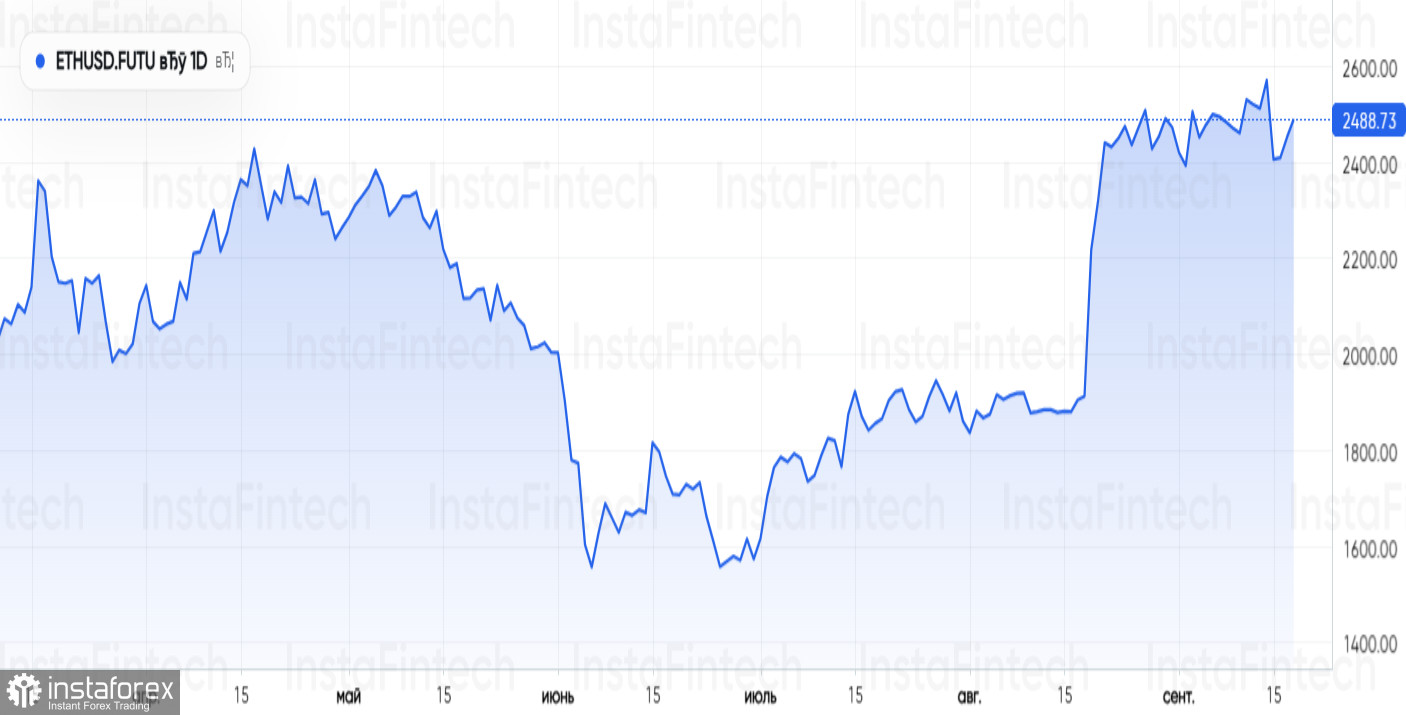
To appreciate the boldness of BlackRock's move, look at the macro backdrop. On Wednesday, the FOMC unanimously raised the policy rate by 25 basis points to a 3.75%–4.00% range — the first tightening since 2023. Fed Chair Kevin Warsh bluntly said inflation has been "too persistent" and hinted at another hike this year. Classic markets reacted: stocks pulled back, and the 10-year US Treasury yield pierced the 5% mark for the first time in 19 years.
It would seem like a bad time for risky assets. But BlackRock appears to think otherwise, effectively turning crypto into a new safe-haven asset for an era of high inflation.
The crypto and digital-asset instruments discussed in this article are available for trading on the InstaTrade platform. Don't miss the chance to profit from the moves of large institutional players and global market trends. Open a trading account on the InstaTrade platform and download the company's mobile app for one-click trading, charting, and market access wherever you are.

